Solutions · Insurance & claims

Deepfake Detection for Insurance Claims.

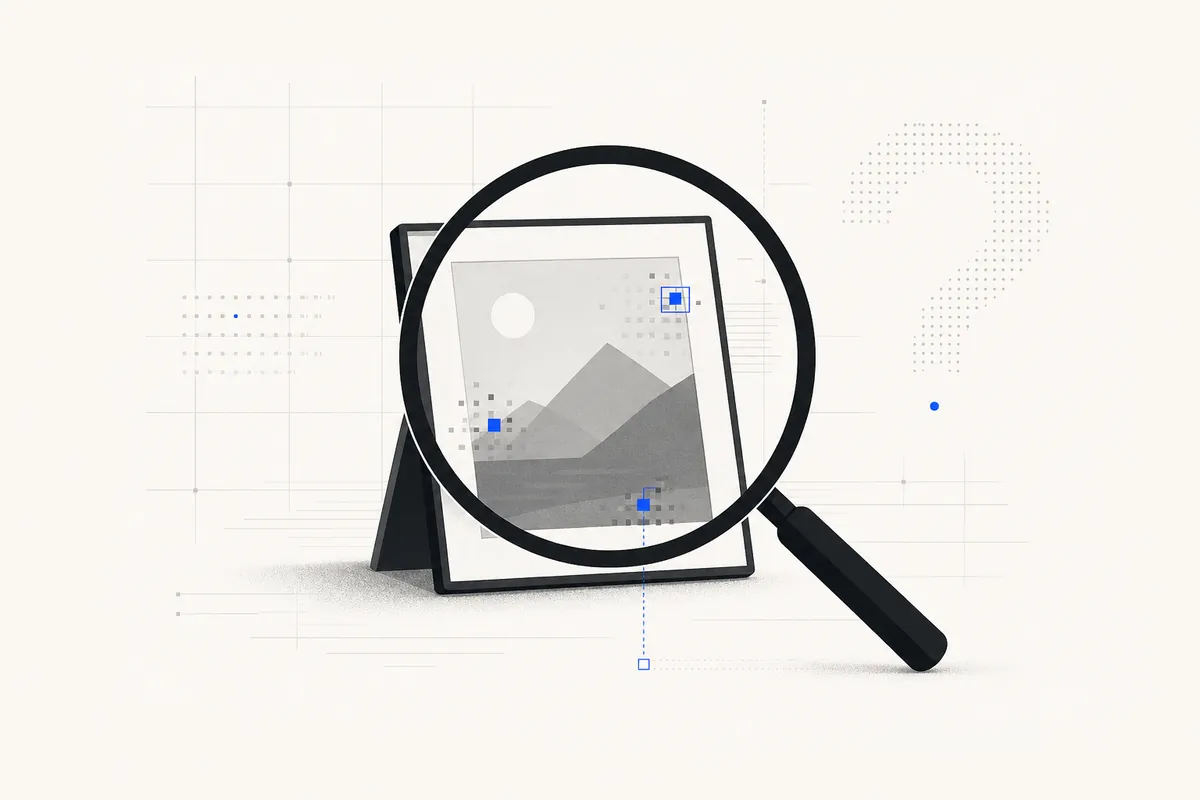
A dent can be added, a plate can be changed and a receipt can be generated in seconds. Give claims handlers and fraud teams a fast way to check photos, videos and recorded statements for AI generation before a claim is paid.

  • ✓Score claim photos for AI generation and AI edits, with a source check on the file
  • ✓Check video walkarounds frame by frame
  • ✓Screen recorded statements and voicemails in 6-second segments
damage_02.jpg · 4032 × 3024 · example resultAI Generated
Rear bumper damage, motor claim
AI score91
Source checkEditing tool named
Evidence levelModerate
Original camera dataNone found
AI score
91 / 100
Verdict
AI Generated
98%
Of insurers say AI editing tools are fuelling digital insurance fraud (Verisk)
50%
Human accuracy at spotting AI-manipulated damage photos, no better than chance (Milliman)
£233M
Suspect claims detected by Aviva in 2025, a record (eWeek)
300
Claims professionals surveyed for the Verisk fraud study

Sources are listed at the bottom of this page.

The problem

The damage in the photo may never have happened.

Claims run on photos. Policyholders upload pictures of a damaged car, a flooded kitchen or a broken phone, and a handler decides from the pixels. Generative AI has made those pixels cheap to fake: a scratch can be deepened, a dent added to a clean panel, a number plate swapped, a receipt invented from scratch.

People are poor judges of these edits. A December 2025 Milliman study found that human detection of AI-manipulated damage photos was only 50% accurate, no better than random chance, even among experienced professionals. In the Verisk State of Insurance Fraud study, 98% of insurers said AI-powered editing tools are fuelling an increase in digital insurance fraud.

The cost is already visible. Aviva reported a record £233 million in suspect claims for 2025, with AI-doctored evidence part of the picture. A quick, documented check on each image file gives handlers a second opinion that does not depend on their eyes alone.
How Deepfake Detector helps

Built for claims and fraud teams.

Check the evidence a claimant sends, where edits and fabrications slip through.

Claim photos

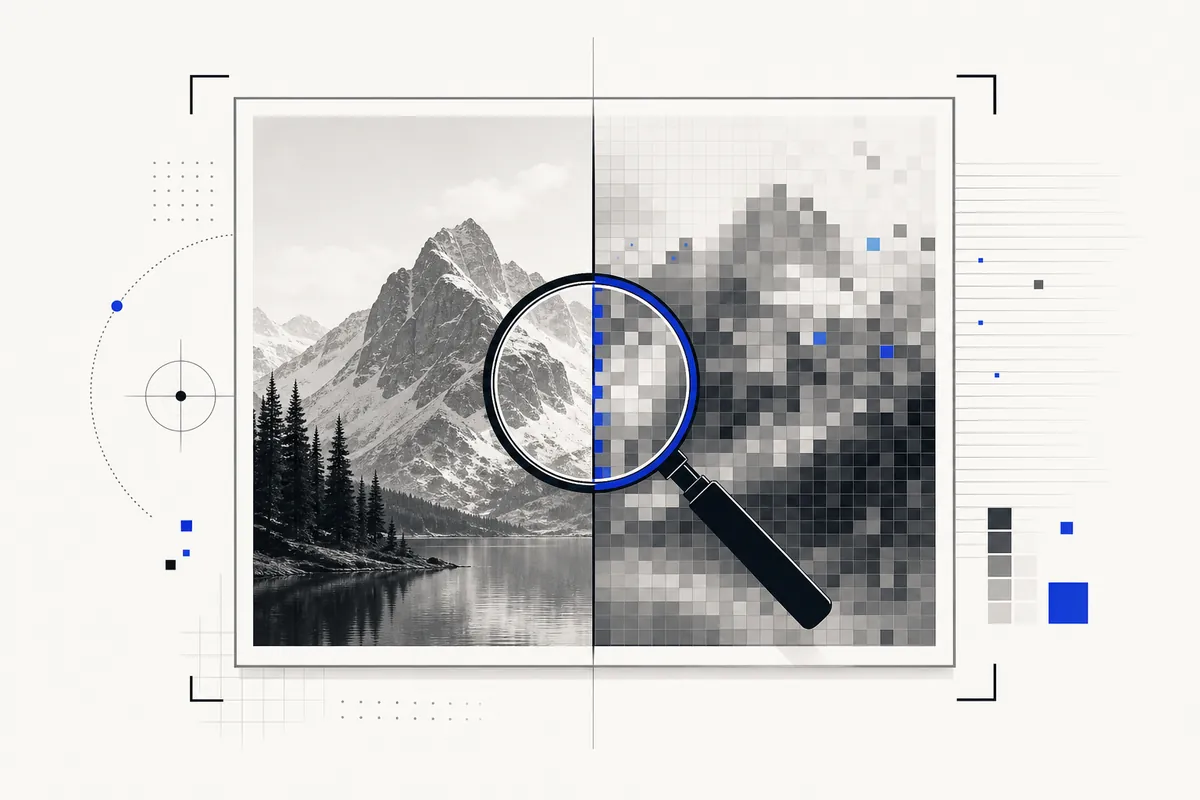
Each photo gets an AI score from 0 to 100. The source check reads EXIF, XMP, PNG data and C2PA Content Credentials, names AI generators and editing tools such as Photoshop when the file records them, and flags screenshots and exports.

Video walkarounds

Upload a walkaround or a dashcam clip. Frames are sampled and scored one by one, and the highest-scoring frame is kept with the result.

Recorded statements

Upload a recorded statement or a voicemail. Speech is scored in 6-second segments, so a cloned or synthetic voice shows up where it starts.

How it works

Three steps, one clear verdict.

1 · Upload

Upload the photo, video or audio in the web app, or send images and audio through the API from your claims system.

2 · Score

Images are scored as a whole with a source check on the file, video frame by frame, and audio in 6-second segments.

3 · Decide

You get an AI score and a verdict: Human, Likely Human, Likely AI or AI Generated. Use it to pay, ask for more evidence, or refer to your special investigations unit.

Detection is probabilistic, and a missing source record is normal for photos sent by messaging apps, so treat the result as one signal next to your other checks. Ask for original files rather than screenshots whenever you can. See the AI image detector, the C2PA checker and the AI video detector.

Fit it into your process

Where the check fits.

At first notice of loss

Run every uploaded photo through a quick check. Most will come back clean, and the few that do not get a closer look before anyone commits to a settlement.

Before a high-value payout

Make a check part of the sign-off for claims above your threshold, alongside the usual history and document checks.

In the fraud investigation file

Save the score, verdict and source check result with the case, so the decision to refer or decline is documented.

FAQ

Insurance claims questions.

If yours isn't here, email hello@deepfakedetector.ai.

Can Deepfake Detector spot AI-edited damage photos? +

It scores each photo for AI generation and AI edits and runs a source check on the file. The source check reads EXIF, XMP, PNG data and C2PA Content Credentials and names AI generators and editing tools when the file records them. Treat the result as one signal in your claims process.

Why does the result say no source metadata? +

Messaging apps, social platforms, resizing and screenshots strip metadata, so many claim photos arrive without it. A missing record does not mean a photo is real or fake; the AI score reads the pixels and still applies. Ask for the original file when you can.

How good are people at spotting fake claim photos? +

Not good. A December 2025 Milliman study found that human detection of AI-manipulated damage photos was only 50% accurate, no better than random chance, even for experienced professionals.

Can it check video and recorded statements too? +

Yes. Videos are scored frame by frame, and recorded statements and voicemails are scored in 6-second segments. Free accounts check clips up to 2 minutes and paid plans up to 10 minutes.

Can we connect it to our claims system? +

The API covers image and voice detection today, so you can check claim photos and recorded statements from your own tools. For video at volume, talk to sales.

Is there a free plan? +

Yes. A free account includes 50 checks a month across video, image and voice, with no card required. Paid plans start at $49 a month for 1,000 checks.

Sources

Research behind this page.

Check the evidence
before you pay.

Score claim photos, videos and recorded statements for AI generation. 50 free checks a month.